

Introducing SYN-001
From Synaptiq Therapeutics:
We are aiming to treat neuropsychiatric symptoms associated with 22q11.2 deletion syndrome (22q11DS) in children.


A First-in-Class Approach to Neuropsychiatric Care
SYN-001 is a potential therapeutic being developed for the treatment of the neuropsychiatric symptoms associated with 22q11DS. SYN-001 is a non-stimulant activator of multiple metabotropic glutamate receptors (mGluRs) and has been granted the FDA’s Rare Pediatric Disease (RPD) designation, recognizing its potential to address serious conditions affecting children. It would be a first-in-class treatment for patients with 22q11DS and certain comorbid neuropsychiatric conditions, including anxiety, attention-deficit/hyperactivity disorder (ADHD), and autism (ASD).
Understanding 22q11DS and Its Impact
22q11DS, also known as DiGeorge syndrome, is a genetic disease in which part of chromosome 22 is missing, which can result in a variety of neuropsychiatric conditions and delayed cognitive development, as well as congenital disorders. 22q11DS is the most common human deletion syndrome, and second most common chromosomal abnormality after Down Syndrome. More than 1,600 children are born with 22q11DS every year in the United States, affecting 1 in every 2,148 births. A comparable number of children, approximately 1,650, are born with the condition annually across the European Union.
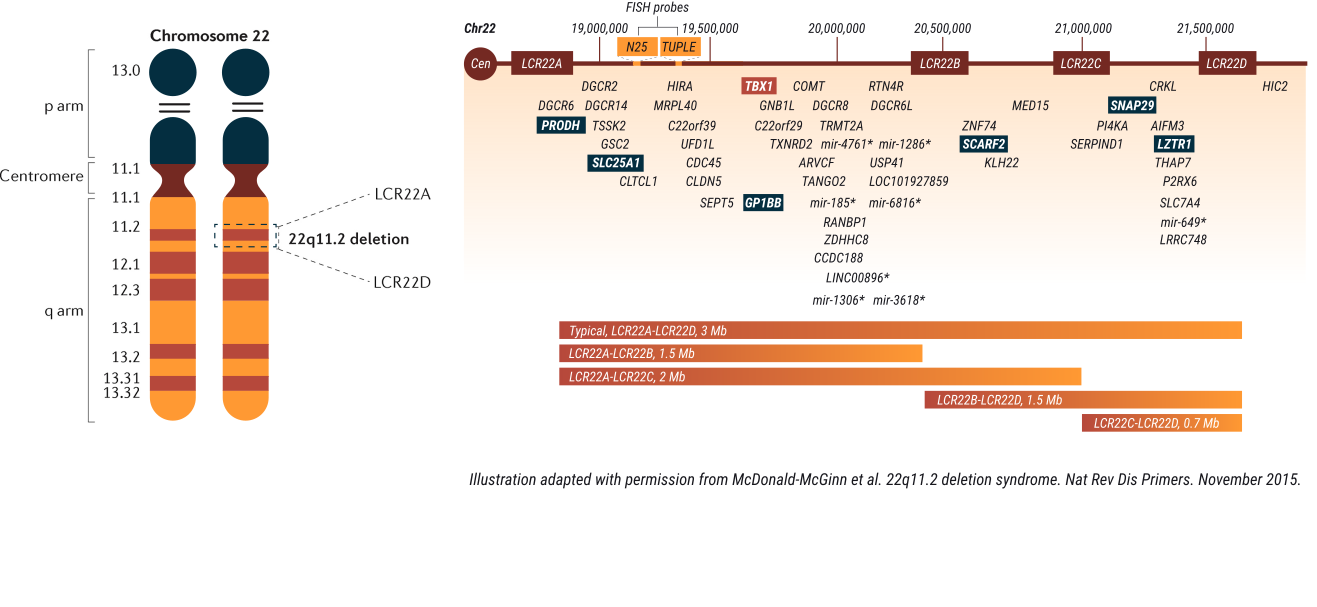

Currently there are no population-specific therapies approved for 22q11DS, and many 22q11DS patients struggle with inadequate treatment options for their neuropsychiatric symptoms
About us
Synaptiq Therapeutics is an independent, privately held clinical-stage biotechnology company established in 2026 to advance SYN-001. The program was advanced by Nobias as NB-001 through a randomized, double-blind, placebo-controlled Phase II clinical trial that demonstrated a favorable safety and tolerability profile together with positive efficacy signals and received both FDA Orphan Drug Designation and Rare Pediatric Disease Designation. Building on this strong clinical and regulatory foundation, Synaptiq was created to provide a dedicated entity focused on advancing SYN-001 through the next stage of clinical development. Backed by a group of European and US-based investors, Synaptiq leverages Arctic Therapeutics’ established drug development platform, experienced clinical operations team, scientific expertise, and longstanding research collaboration with the Center for Applied Genomics at Children’s Hospital of Philadelphia. The company is preparing to initiate a Phase IIb clinical trial at leading medical centers across North America and Europe to further evaluate SYN-001 for the treatment of neuropsychiatric symptoms associated with 22q11.2 deletion syndrome (22q11DS). If approved, SYN-001 has the potential to become the first therapy specifically indicated for these manifestations, including anxiety, attention-deficit/hyperactivity disorder (ADHD), and autism spectrum disorder (ASD)-related symptoms.
Pipeline
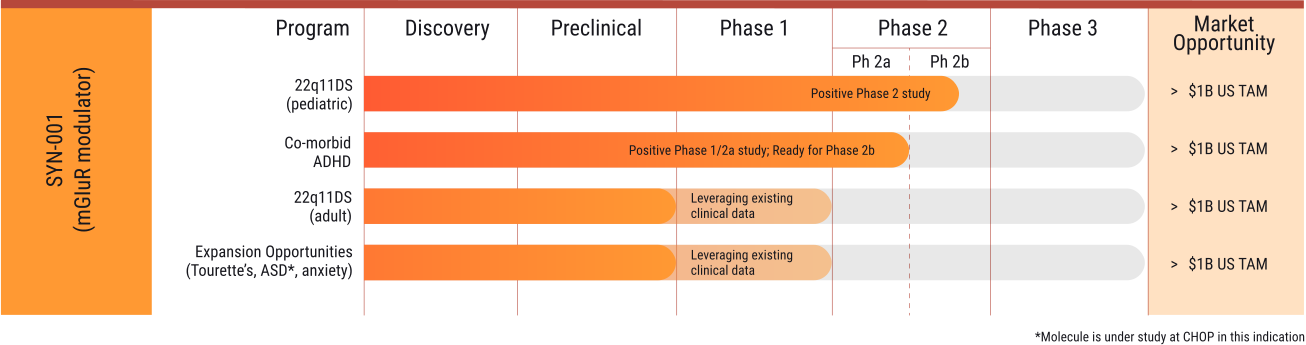
We have reported positive data from a Phase 2 clinical trial of our lead program, SYN-001, a small-molecule mGluR activator for the potential treatment of the neuropsychiatric symptoms associated with 22q11.2 deletion syndrome (“22q11DS”) in children.
Many people living with 22q11DS experience comorbid neuropsychiatric conditions that impact their mental health, including ADHD, anxiety, and ASD. These conditions can have significant impacts on patients’ development and social wellbeing, as well as negatively affect their caregivers and families. Currently there are no population-specific therapies approved for 22q11DS, and many 22q11DS patients struggle with inadequate treatment options for their neuropsychiatric symptoms.
SYN-001 was recently studied in a randomized, double blind, placebo-controlled Phase 2 trial in 22q11DS patients, enrolled at pediatric medical centers across the U.S. and Canada. Results from the trial demonstrate the safety and tolerability of SYN-001, as well as robust efficacy trends that support further clinical evaluation.

The responder rate was 40-70% higher in patients treated
with SYN-001 versus placebo
Topline data was announced at the 52nd Child Neurology Society (CNS) Annual Meeting and presented at the 13th Biennial International 22q11.2 Scientific Conference. Please see the study summary on ClinicalTrials.gov for more information.
In addition to its potential to treat the unmet needs of children and adolescents living with 22q11DS, indication expansion opportunities for SYN-001 include adults with 22q11DS and, more broadly, other patients living with conditions driven by genetic disruptions to glutamatergic signaling, such as co-morbid ADHD.
Leadership

Patrick Dougherty
Chief Executive Officer, Synaptiq Therapeutics
Patrick Dougherty is a life sciences executive with more than 20 years of experience at the intersection of science and business across a range of roles, including corporate/business strategy, business operations, program management/implementation, and business development.
Before joining Synaptiq, Mr. Dougherty led Nobias Therapeutics which initiated the clinical development of SYN-001 (then known as NB-001) in 22q11DS. Mr Dougherty also leads Beech Street Advisors, LLC, a biotech advisory practice supporting early-stage therapeutic companies by providing hands-on, functional leadership in business strategy, business development, and executive and operations. He served as SVP of Strategy, Planning, and Operations for WindMIL Therapeutics, a private, venture-backed oncology cell therapy company. During his 10-year tenure at GSK, Mr. Dougherty ascended into positions of seniority, including Chief of Staff to the SVP R&D Pipeline. He was an engagement manager at L.E.K. Consulting and held roles in business development at Endo Pharmaceuticals and Laboratorios Bagó.
Mr. Dougherty holds a BS in Chemistry from Villanova University, a MSc in Technology Management from the University of Manchester, and MBA from the Wharton School of the University of Pennsylvania.