

AT-002
Restoring immune homeostasis in autoimmune uveitis.
A first-in-class topical therapeutic designed to regulate pathological inflammation by restoring the body’s natural intracellular immune checkpoint by using a SOCS1-KIR mimetic peptide.
-
3rd
most common cause of preventable blindness worldwide (10-25% of cases)
-
4m
new cases each year worldwide (80-168K in US; 90-225K in EU)
-
80%
of all uveitis is non-infectious uveitis (NIU); 50% autoimmune and 30% idiopathic
The Challenge
Autoimmune uveitis is a leading cause of preventable vision loss worldwide. The disease occurs when the immune system mistakenly attacks tissues within the eye, causing chronic inflammation that can progressively damage vision.
Drivers of uveitis
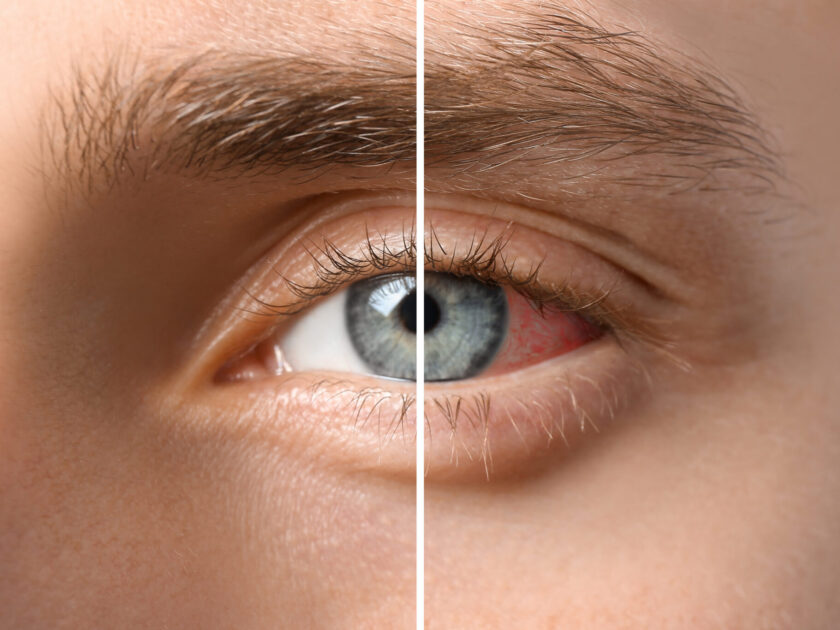
Uveitis is a significant cause of ocular morbidity and refers to inflammation in any part of the uveal tract. It can stem from localized eye issues or chronic inflammation following penetrating ocular injury – or systemic disorders affecting the body including autoimmune conditions (e.g., Bechet syndrome, ankylosing spondylitis) or infections (e.g., tuberculosis, herpes).
How AT-002 works
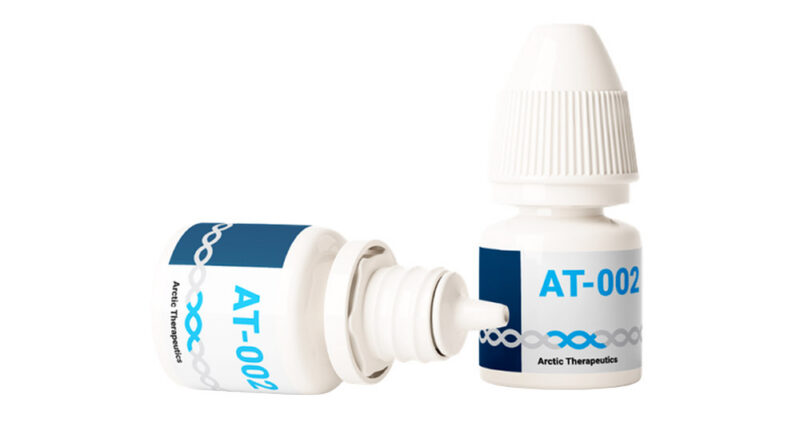
AT-002 delivers a SOCS1-KIR peptide that restores one of the body’s natural mechanisms for controlling inflammation. Instead of broadly suppressing the immune system, AT-002 helps re-establish immune balance by regulating excessive cytokine signalling.
Why SOCS1?
A natural regulator of inflammation
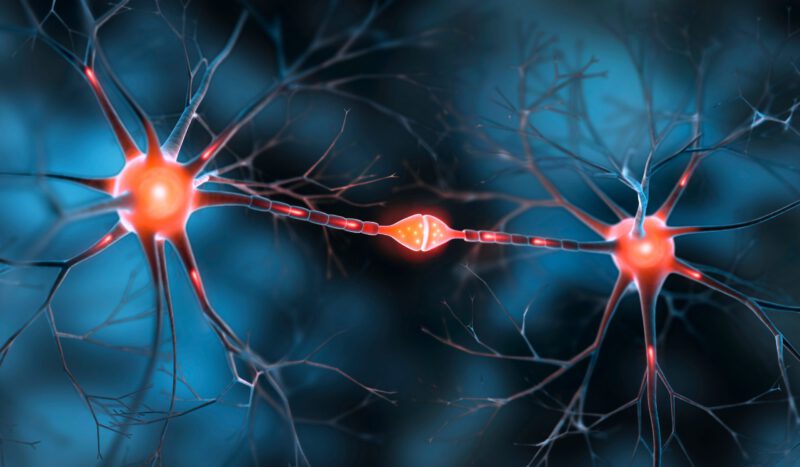
SOCS1 is an endogenous intracellular protein that acts as a natural brake on JAK/STAT signalling. During chronic inflammation, endogenous SOCS1 activity becomes insufficient, allowing inflammatory pathways to remain persistently activated.
AT-002 is designed to restore this regulatory mechanism, interrupting the inflammatory cascade closer to its biological source.
-
Reduces IFN-γ & IL-6 signalling loss
Limits inflammatory cytokine activity.
-
Controls Th1 & Th17 activation
Targets major drivers of autoimmune disease.
-
Prevents T-cell overactivation
Limits dendritic cell-mediated immune activation.
-
Protects retinal tissue
Reduces macrophage & microglial activation that causes retinal damage.
-
Restores immune homeostasis
Supports physiological regulation rather than broad immunosuppression.

Explore more
For our latest news and updates, go check out
The Pulse. If you have additional questions for us or are interested in strategic partnering, contact us below.